What is PLA filament? What it's made of, and what PLA+ actually changes

PLA filament is a thermoplastic material made from polylactic acid (PLA), and it is one of the easiest materials to print with on a typical FDM 3D printer. If you have downloaded a model and are wondering which filament to use, PLA is usually the simplest place to start - but there are a few things about its strength, biodegradability, and PLA+ or silk variants that are worth understanding first.
What is PLA made of?
PLA stands for polylactic acid, also called polylactide. It is a thermoplastic polyester typically made from plant-derived raw materials.
The process generally starts with plant materials containing sugars or starches, such as corn or sugar cane. These materials are processed and fermented to produce lactic acid. The lactic acid is then converted into a polymer, often through an intermediate compound called lactide, producing PLA.
That plant origin is one reason PLA is often described as a more environmentally friendly plastic. But "plant-based" does not automatically mean that a finished PLA print will simply disappear in your garden compost. The conditions required for PLA to break down are much more specific than that.
For 3D printing, PLA is supplied as a thin plastic filament, most commonly in 1.75 mm diameter. The filament is fed into the hot end, melted, and deposited layer by layer to create the finished object.
If you are new to filament selection, it is also useful to remember that PLA is only one option. Other common materials have very different properties and printing requirements, so the best filament depends on what you are actually printing.
What properties does PLA actually have?
PLA became popular in home 3D printing for a simple reason: it combines good mechanical properties with very easy printing.
It is relatively stiff, holds its shape well, and generally produces clean-looking prints without requiring the high temperatures, heated enclosure, or extensive tuning that some other materials need.
Here is a practical overview:
| Property | PLA |
|---|---|
| Tensile strength | Moderate to high |
| Impact resistance | Low |
| Stiffness | High |
| Heat resistance | Low |
| Ease of printing | High |
Actual properties vary by formulation, printer settings, cooling, layer orientation, and the geometry of the printed part.
One important distinction is worth making here: strength and toughness are not the same thing.
PLA and PETG can have fairly similar tensile strength. Depending on the particular formulation and test conditions, PLA can even have a higher tensile strength than PETG. The important difference is what happens when the material is overloaded.
PLA is relatively stiff and brittle. It tends to deform very little before breaking. PETG is more ductile: it can bend and stretch considerably more before it fails and generally absorbs more impact energy.
So saying that PETG is simply "much stronger" than PLA is misleading. For many everyday prints, the more useful description is that PLA is stiffer and more brittle, while PETG is tougher and more impact-resistant.
That distinction matters when choosing a material.
A decorative model, miniature, enclosure, bracket, or prototype that needs to stay rigid can work very well in PLA. A part that will be repeatedly flexed, dropped, hit, or exposed to significant mechanical abuse may benefit from a tougher material.
For a broader comparison of common 3D printing materials, see our guide to choosing the right filament for what you're actually printing.
What is PLA good for?
PLA works particularly well for the kinds of objects most people print at home:
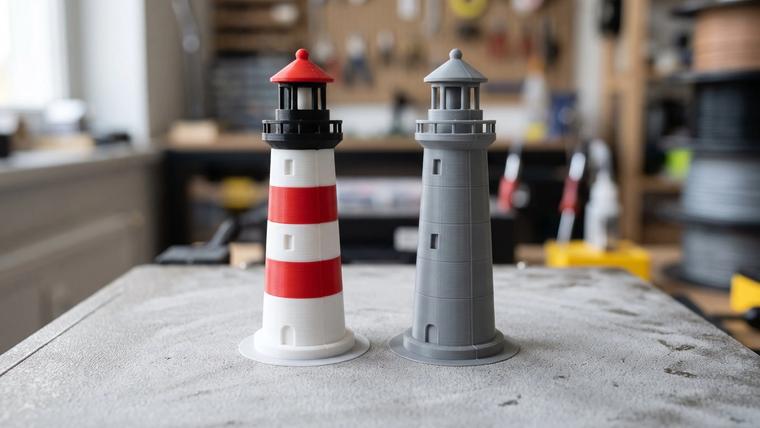
- Decorative models and figures
- Miniatures
- Toys and props
- Organizers and storage parts
- Desk accessories
- Prototypes
- Enclosures
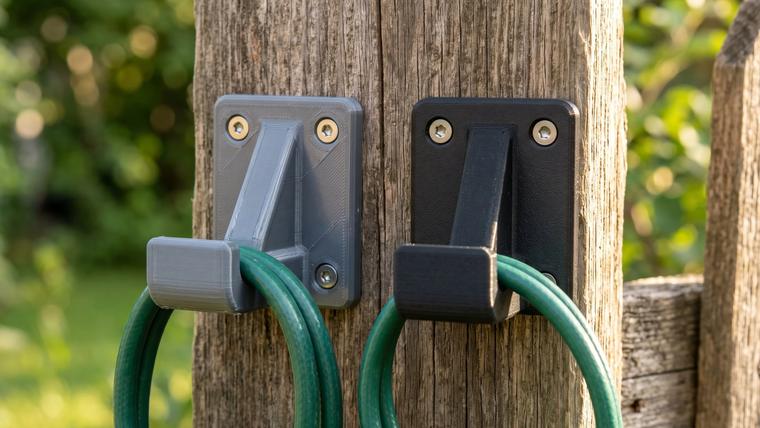
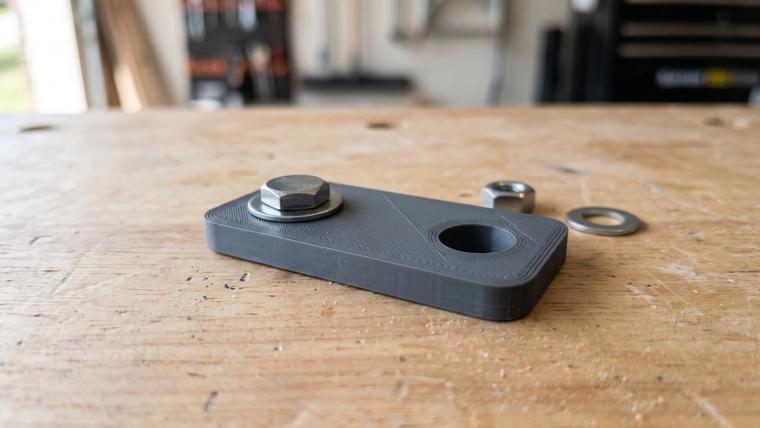
- Brackets and mounts that are not exposed to high temperatures
- Replacement household parts where high impact resistance is not required
It is also a popular choice for learning 3D printing because problems are generally easier to diagnose and the material is forgiving compared with many engineering filaments.
For example, if you're printing miniatures at home, PLA is a particularly practical starting point: it produces fine details without requiring a complicated printing setup, as our FDM miniature guide covers in more depth.
Is PLA biodegradable? The honest answer
This is where the marketing description of PLA can be misleading.
PLA is technically biodegradable and compostable, but that does not mean a PLA print will quickly decompose in a normal home compost pile.
PLA generally requires industrial composting conditions to break down efficiently. These facilities provide elevated temperatures, controlled moisture, and suitable microbial activity. Under those conditions, PLA can break down over a period of weeks to months.
A typical backyard compost pile is very different.
Home compost usually does not maintain the combination of temperature, moisture, and biological conditions needed for rapid PLA degradation. A PLA print thrown into a normal compost pile may remain there for a very long time.
The same applies to landfill and the natural environment. A failed print or a piece of PLA filament does not become harmless simply because it originally came from plant-based material. In ordinary environmental conditions, PLA can persist for a very long time.
So, if you have a bucket of failed prints, supports, and purge material, don't assume you can put it in your garden compost.
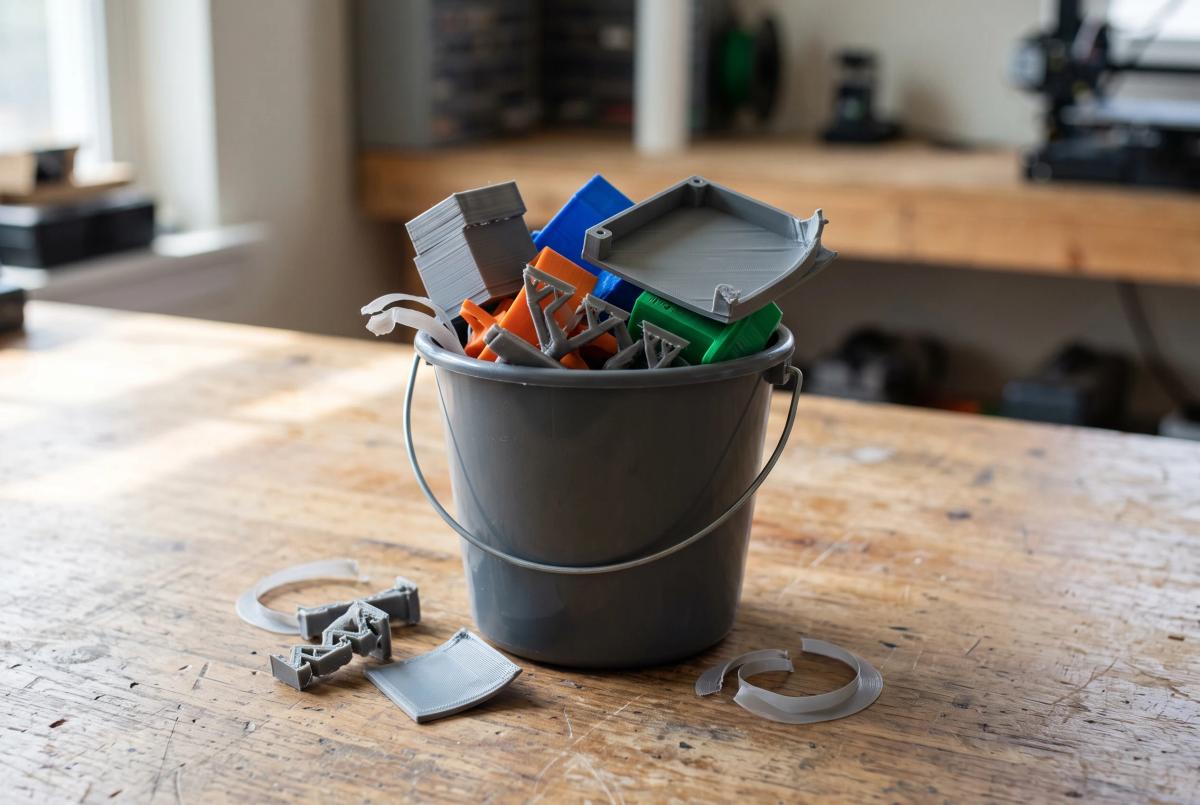
The practical answer is: no, you should not expect PLA waste to compost at home.
If your local waste system specifically accepts PLA for industrial composting, follow its instructions. Otherwise, treat unwanted PLA as plastic waste according to your local disposal options.
This is one of the biggest differences between the technical description of PLA and what happens to a discarded 3D print in everyday life.
What is PLA+, and is it worth it?
PLA+ sounds like an official upgrade to regular PLA. It isn't.
PLA+ is a marketing term rather than a standardized material specification. There is no single formula that every manufacturer has to follow when it labels a spool "PLA+".
One manufacturer's PLA+ can therefore be noticeably different from another manufacturer's PLA+.
In general, PLA+ formulations modify standard PLA with additives or other formulation changes intended to reduce brittleness and improve toughness or impact resistance while keeping much of the easy-printing behavior associated with PLA.
That can make PLA+ useful when you like the simplicity of PLA but want a finished part that is less likely to snap under impact.
However, you should not assume that every PLA+ spool has the same properties. The label alone does not tell you exactly what was changed, how much tougher the material is, or how it will behave on your printer.
This is why it is better to think of PLA+ as a manufacturer's modified version of PLA, rather than as a completely separate standardized material.
Is it worth buying?
For many users, yes. If you regularly break ordinary PLA parts or want something a little less brittle without moving to a more demanding material, PLA+ can be a useful middle ground.
But if your regular prints are decorative models, organizers, miniatures, and other parts that do not experience significant impacts, ordinary PLA may already do everything you need.
Specialty PLA types: matte, silk, and the rest
Standard PLA is only the beginning. Manufacturers add pigments, fillers, and other modifiers to create different finishes and specialized versions.
Silk PLA
Silk PLA is one of the most visually distinctive variants.
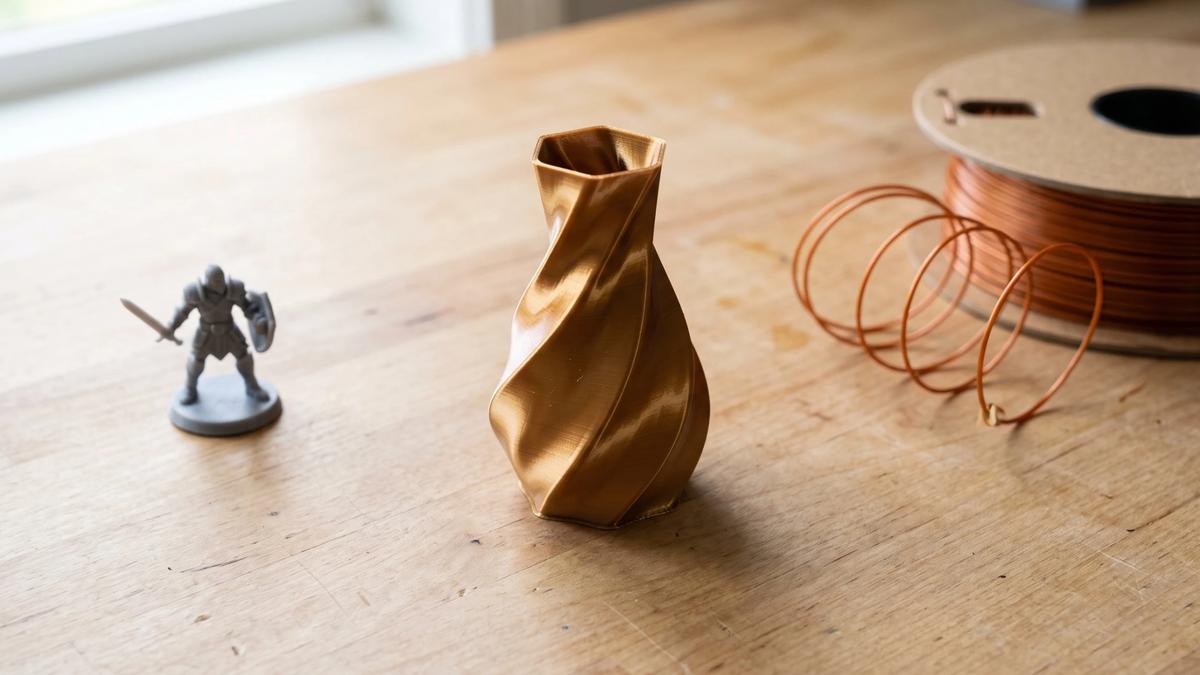
It contains additives that give the finished print a glossy, reflective appearance that can look almost metallic. This makes silk PLA popular for decorative models, vases, display pieces, and other objects where appearance matters more than mechanical performance.
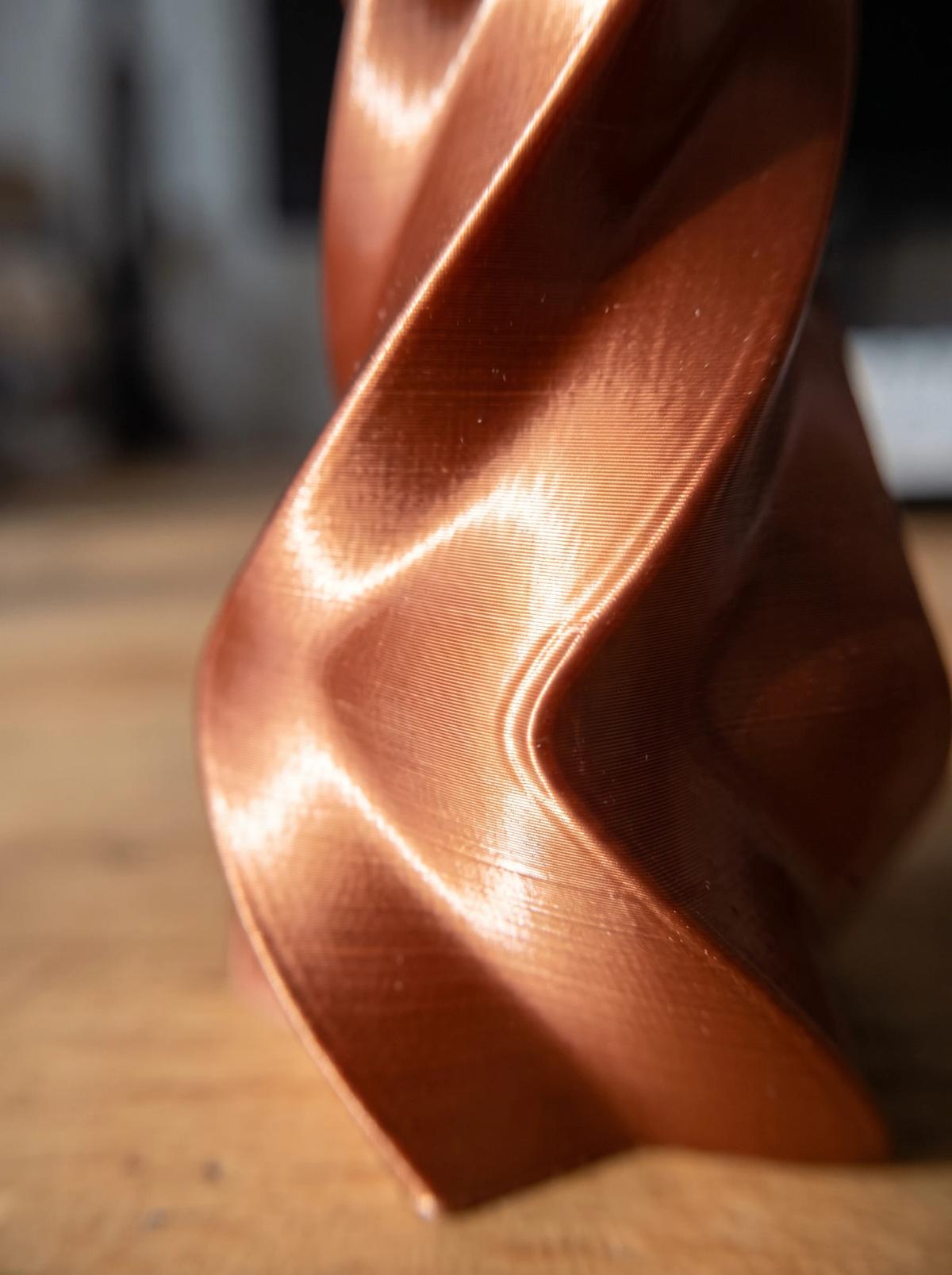
There is a trade-off, though: the glossy surface can highlight imperfections rather than hide them. Layer inconsistencies, ringing, blobs, seams, and other surface defects can become more visible because the light reflects strongly from the shiny finish.
That means silk PLA tends to reward a well-calibrated printer. If your printer already produces clean surfaces, silk can make the result look excellent. If your printer has obvious surface-quality problems, the glossy finish may make them easier to see.
Matte PLA
Matte PLA is designed to produce a less reflective, more subdued surface. It can make layer lines less visually prominent and is often chosen when you want a more "finished" or understated appearance.
Wood-fill PLA
Wood-filled PLA contains fine wood particles or fibers mixed into the polymer. It can give prints a wood-like appearance and is mainly used for decorative projects.
Because fillers change the material and can affect the nozzle, printing requirements depend on the particular product.
Metal-fill PLA
Metal-filled PLA contains metal particles that give the finished object a heavier, more metallic appearance. It is primarily an aesthetic material rather than a way to turn a normal PLA print into a structural metal component.
Glow-in-the-dark PLA
Glow-in-the-dark PLA contains a phosphorescent additive that allows the printed object to glow after exposure to light. It is popular for signs, decorations, toys, and novelty prints.
LW-PLA
LW-PLA is a lightweight PLA formulation designed to expand during printing. It is especially useful for applications where reducing the weight of a printed part matters, such as certain model aircraft components.
These specialty materials are still based around the PLA family, but their additives can significantly change how they print and how the final object behaves.
Some of them - metal-fill, glow-in-the-dark, and certain wood-fill blends - can also wear a standard brass nozzle over time. How quickly depends on the specific product and how much of it you print, so if you plan to use them regularly, a hardened nozzle is a sensible upgrade.
Print settings for a good first result
PLA is popular partly because you can usually get a good first print without extensive experimentation.
A practical starting point is:
- Nozzle: around 190–220°C
- Build plate: around 50–60°C
The exact temperature depends on the filament manufacturer, printer, nozzle, cooling setup, and desired print quality, so the temperature printed on the spool or manufacturer's profile should take priority.
A heated bed helps the first layer adhere consistently. You generally do not need extremely high bed temperatures for PLA, and pushing the bed temperature too high can actually create problems. Above roughly 70°C, some PLA prints can become more prone to unwanted deformation or warping around the base.
For a first print, the manufacturer's recommended profile is usually a better starting point than trying to find a universal "perfect" PLA temperature
PLA is also relatively forgiving about printer enclosure requirements. In many cases, an enclosed chamber is unnecessary, making it particularly convenient for a typical home printer.
Where PLA falls short
PLA's biggest advantages are also connected to its limitations.
Heat
PLA has relatively low heat resistance. It starts to soften at temperatures around 60°C, depending on the exact formulation and test method.
That can become a serious problem in places that get hot.
A classic example is a car parked in the sun during summer. The interior temperature can become high enough for a PLA part to soften, deform, or lose its dimensional accuracy.
So a phone holder that works perfectly on your desk may be a poor choice for a dashboard-mounted part.
Brittleness
PLA is stiff, but that stiffness comes with relatively low toughness. When a part is subjected to a sudden impact or repeated bending, it can crack or snap rather than flex.
This is one of the situations where PLA+ or a different material may make more sense.
UV exposure
Long-term exposure to sunlight can also be a concern. PLA is not the material you should automatically choose for a part that will spend years outdoors under strong UV exposure and changing weather conditions.
For indoor projects, this usually isn't a major concern. For permanent outdoor applications, material selection deserves more attention.
The key is not that PLA is "bad" at these things. It is simply optimized for a different set of conditions: easy printing, good stiffness, attractive surfaces, and relatively low-temperature indoor applications.
Frequently asked questions
What does PLA stand for?
PLA stands for polylactic acid. It is also commonly called polylactide. PLA is a thermoplastic polyester widely used in FDM 3D printing.What is PLA filament made of?
PLA is produced from lactic acid, which can be obtained by fermenting plant-based sources such as corn starch or sugar cane. The lactic acid is then polymerized to create PLA. The filament is the solid plastic form of this material supplied to an FDM 3D printer.Is PLA biodegradable? Can I compost it?
PLA is technically biodegradable and compostable, but it generally requires industrial composting conditions to break down efficiently. You should not assume that failed PLA prints will quickly decompose in a normal backyard compost pile. If your local waste system does not specifically accept PLA for industrial composting, follow its normal instructions for disposing of plastic waste.What is PLA+, and is it different from regular PLA?
Yes, but there is no universal definition of PLA+. PLA+ is a marketing term used by manufacturers for modified PLA formulations. These modifications commonly aim to reduce brittleness and improve toughness or impact resistance while maintaining the easy-printing characteristics of regular PLA. Because there is no single PLA+ standard, two brands can produce noticeably different materials under the same name.What's the difference between silk PLA and regular PLA?
Silk PLA is formulated to produce a glossy, highly reflective surface. It is mainly chosen for appearance rather than because it is a fundamentally stronger version of PLA. The shiny finish can make surface imperfections more noticeable, so silk PLA often looks best when the printer is well calibrated.Is PLA stronger than PETG?
It depends on what you mean by "stronger." PLA and PETG can have similar tensile strength, and PLA can sometimes have a higher tensile strength depending on the formulation and test conditions. The more important difference is toughness. PLA is stiffer and more brittle, while PETG is generally more ductile and impact-resistant. So neither material is simply "stronger" in every situation. Choose based on whether you need rigidity, toughness, heat resistance, or ease of printing. If you're deciding specifically between the two, see our guide to PETG filament.What's the best 3D printer filament for beginners?
For most beginners, PLA is the easiest filament to start with. It prints at relatively low temperatures, generally has good bed adhesion, does not normally require a heated enclosure, and produces useful results without extensive tuning. That does not make PLA the best material for every project. Once you know what you want to print, the right filament depends on the part's requirements - especially heat exposure, flexibility, impact resistance, and outdoor use. For a broader overview of filament choices, our full filament comparison breaks down PLA, PETG, ABS, and TPU side by side.
About the author
Written by
Ethan MillerI’m a 3D printing specialist with a background in mechanical design and hands-on experience with FDM 3D printing. I focus on filament selection, slicer settings, print optimization, and troubleshooting common printing issues. I enjoy testing different materials and printing techniques and sharing practical guides that help makers get more consistent and reliable results from their printers.