How to make money with a 3D printer
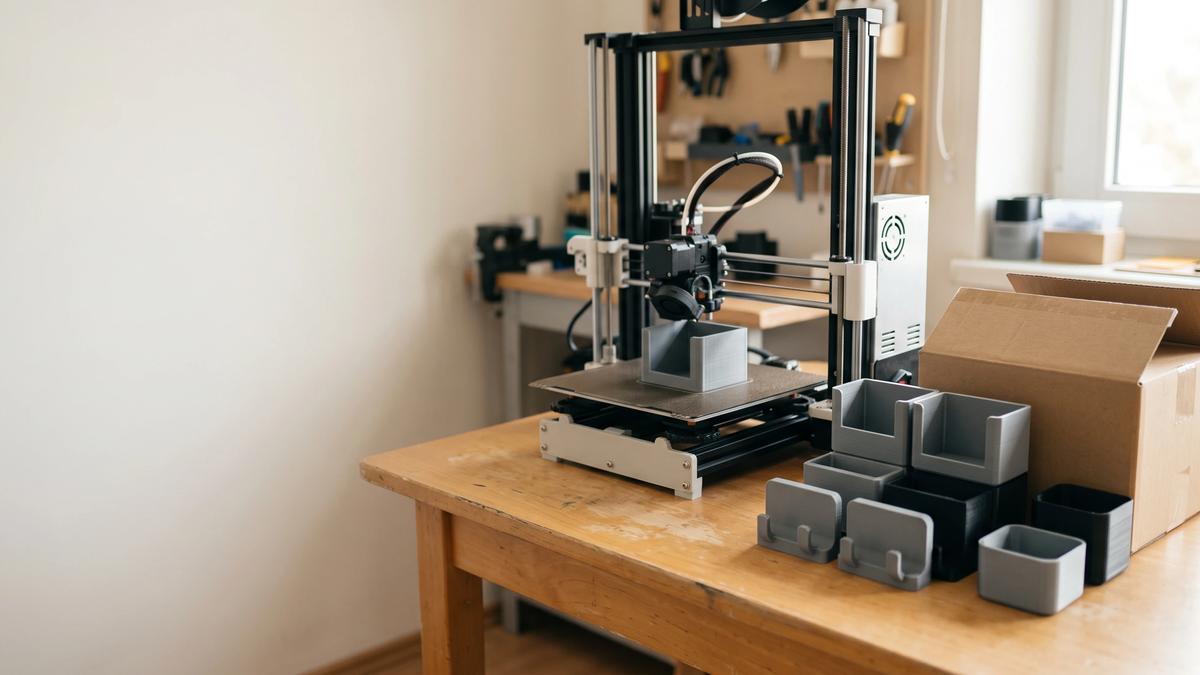
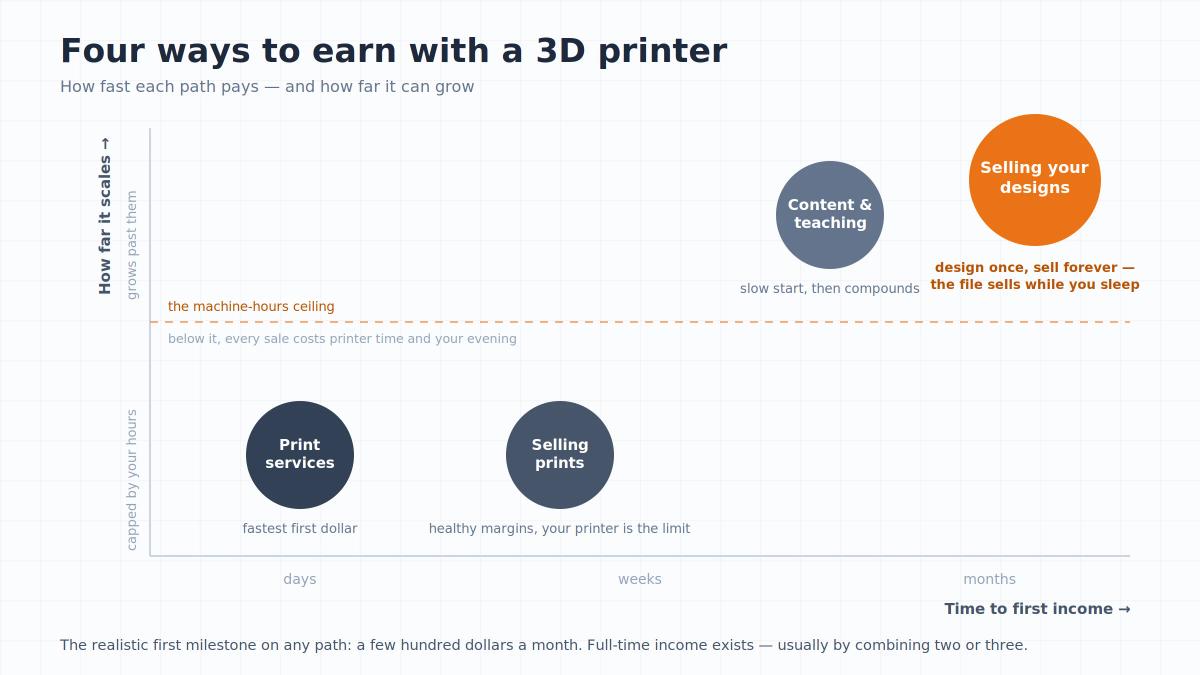
A 3D printer is not a money machine - it's a tool that several real businesses can be built around. Some of those businesses need the printer running constantly; the most scalable one barely needs a printer at all. This guide walks the four proven paths, with honest numbers and the traps each one hides, so you can pick the model that fits your skills and the hours you actually have.
First: the math nobody does
Before choosing a path, understand why most "I'll just sell prints" plans die quietly. The printer's purchase price is the smallest cost of the business. The full ledger includes filament or resin, electricity, failed prints (they're not an if), maintenance and wear parts, packaging, shipping, platform fees - and the item everyone omits: your hours. A $25 print that took 40 minutes of your labor plus materials plus fees is not $25 of profit; it might be $6.
None of this makes the business impossible. It makes pricing the actual skill. Every path below works - for people who counted first.
Selling finished prints
The obvious path: print things, sell things - on marketplaces like Etsy, at local markets, through social media. The margins on the right products are genuinely healthy: typical successful items cost $2–10 in material and sell for $10–50.
What makes it work: original or personalized designs. Custom name items, niche-specific accessories, clever functional pieces - products where the value is the design, not the plastic. Generic prints of free files compete with everyone else printing the same free files, and that race ends at the bottom.
The two traps:
- Licensing. You cannot legally sell prints of characters, logos, or franchise designs without permission - and marketplaces do remove listings and ban repeat offenders. Selling someone's paid model as physical prints requires a commercial license from the designer (many offer them; the model page states the terms). Original designs sidestep the whole minefield.
- Scaling. Every sale costs print time. Success means your printer - and your evenings - become the bottleneck. This path is a craft business, with a craft business's ceiling.
Print services and custom work
Instead of products, sell capability: local businesses need prototypes and fixtures; individuals need that discontinued appliance knob or bracket nobody manufactures anymore; freelance platforms like Fiverr and Upwork route print jobs to people with machines. Replacement parts are a quietly excellent niche - customers with a broken $400 appliance don't haggle over a $15 part.
This path monetizes fastest for people with modest design skills (measuring and modeling a replacement part is a billable service in itself) and works well as a side income. Its ceiling is the same as selling prints: your time and your machine-hours.
Content and teaching
The indirect path: build an audience around your printing - YouTube, TikTok, a blog - and earn through ads, sponsorships, affiliate links, and courses. It's slow to start and crowded, but it compounds: an audience diversifies income and becomes the launch pad that makes every other path easier. Most successful design sellers, notably, also run a content channel - the two feed each other.
Treat it as a multiplier for another path rather than the plan itself, unless creating content is genuinely your thing.
Selling your designs: the scalable path
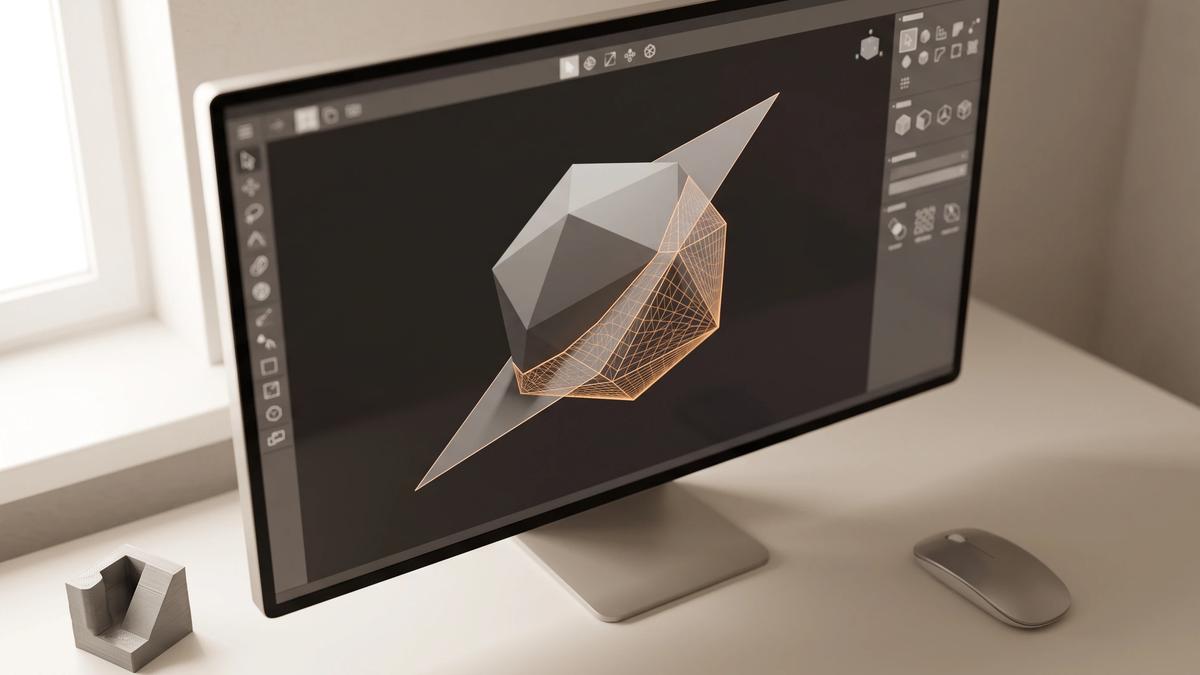
Here's the path with fundamentally different economics: design models once, sell the files forever. No material cost per sale, no shipping, no printer time - the same STL can sell tonight while you sleep, next month, and in three years. It's the only path on this list where revenue isn't chained to your machine-hours.
The demand side is real: most printer owners can't design, and they buy files constantly - the top STL creators on Patreon earn upward of $4,200 a month, and marketplace best-seller lists are full of independent designers who turned a niche into an income.
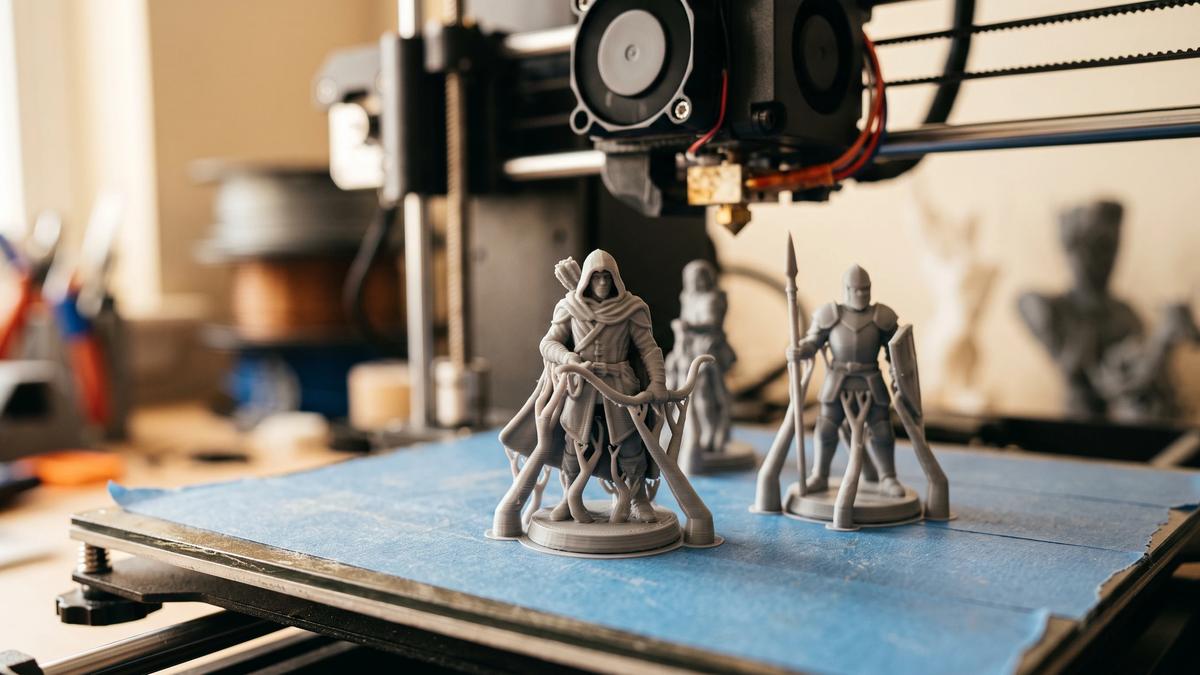
What actually sells: the perennial categories are tabletop miniatures and terrain, cosplay props and armor parts, articulated/flexi models, functional prints (organizers, holders, brackets, tools), and seasonal/holiday designs. Within those, focus beats breadth - a designer known for one niche builds a following; a designer who uploads everything builds a catalog nobody remembers.
What separates sellers from uploaders:
- Test-print everything before listing. A model that looks fine on screen can hide weak walls, bad tolerances, or unprintable overhangs. Files that fail on customers' printers earn refunds and reputation damage; "tested and print-ready" is the entire value proposition of a paid file.
- Build a real listing. Photos of actual printed results (not just renders), file specs and formats offered, recommended print settings, assembly notes if needed, and clear licensing terms - can buyers sell prints? Personal use only? Spelled-out terms prevent disputes and signal professionalism.
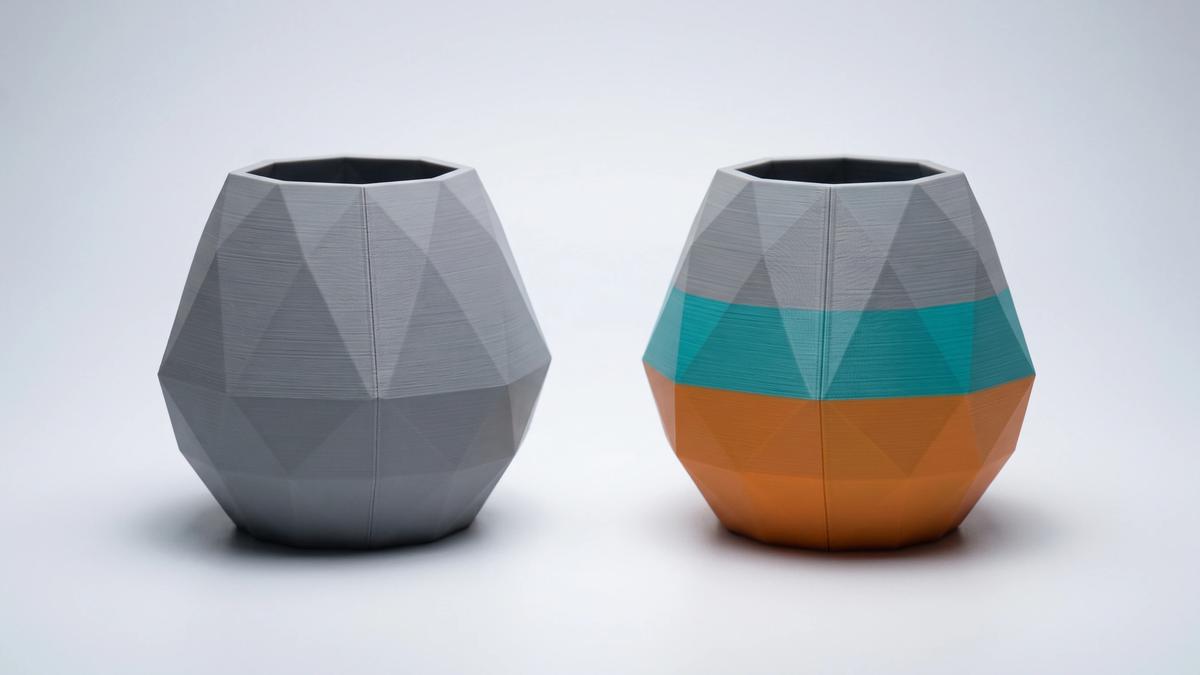
- Offer modern formats. STL as the universal baseline, 3MF for multicolor-ready versions - bundles serve more customers.
- Mind your revenue share. Platforms differ meaningfully in what designers keep - established marketplaces pay designers the majority of the sale price (Cults, for example, pays 80%), and the split, payout terms, and exclusivity rules are worth comparing before you commit a catalog. Newer curated marketplaces compete for designers precisely on better shares and tools - Model4Print's designer program is built on that premise.
- Build community around your work. A Discord or social group where customers share their prints turns buyers into advocates - and their photos become your best marketing.
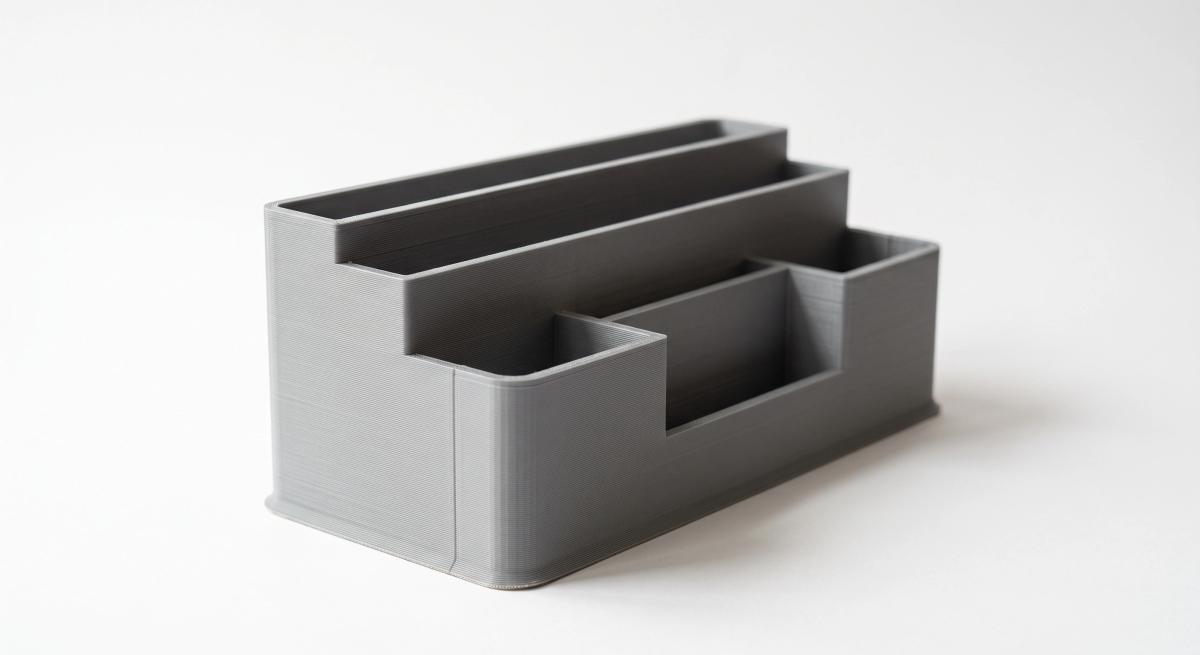
The honest catch: this path requires design skill, and that's a real investment - months of learning CAD or sculpting before the first sale. The other paths pay sooner; this one pays longer.
Which path fits you?
- Have a printer, no design skills, want income soon → finished prints or services: original-adjacent products (customization counts!), local print work, replacement parts.
- Have design skills (or the patience to build them) → selling your designs is the only path that scales past your free evenings. Start it while a simpler one pays the bills.
- Enjoy the camera or the classroom → content, layered onto whichever path you're building anyway.
- Realistic expectation for any of them: a few hundred dollars a month as a side income is the achievable first milestone; full-time income exists on every path but is the exception, built over years, usually by combining two or three paths.
Frequently asked questions
Can you actually make money with a 3D printer?
Yes - through selling original printed products, offering print services and replacement parts, selling your own design files, or building content around the hobby. The consistent pattern among people who succeed: they treat it as a small product business with counted costs, not a printer that prints cash.Is selling 3D printed items legal?
Selling your own original designs - completely. Selling prints of copyrighted characters, logos, or franchise designs without permission is not, and marketplaces enforce it. Printing someone else's model for sale requires a commercial license from that designer; the model's license terms state what's allowed.How much money can you make selling STL files?
The range is enormous - from pocket money to top Patreon STL creators earning over $4,200 monthly. Earnings track design quality, niche focus, catalog size, and consistency. Unlike selling prints, file income scales without printer time: each design sells indefinitely.What 3D printed items sell best?
Personalized and original items beat generic prints: custom name pieces, niche accessories, replacement parts, and well-designed functional prints. On the digital side, tabletop miniatures and terrain, cosplay parts, articulated models, and functional designs are the perennial sellers.Do I need to be a designer to make money with 3D printing?
No - selling finished prints of properly licensed models, custom print services, and replacement-part work all monetize a printer without deep design skills. Design skills unlock the most scalable path (selling files), so learning basic CAD alongside a simpler income path is the classic progression.Where can I sell my 3D model files?
Established STL marketplaces and creator platforms - compare the revenue share (the better ones pay designers the large majority of each sale), payout terms, exclusivity rules, and what tools you get for presenting your work. Curated marketplaces with designer programs typically offer stronger terms to attract quality catalogs.
About the author
Written by
Ryan CarterI’m a 3D printing and miniature painting specialist with a background in digital modeling and tabletop gaming. I focus on 3D-printed miniatures, resin and FDM printing, model preparation, supports, priming, painting, and finishing techniques. I enjoy experimenting with different workflows and helping makers turn digital models into detailed, tabletop-ready miniatures.