Harsh truths about resin 3D printing for beginners: miniatures, safety, and consumables

Modern resin printers commonly offer XY pixel sizes around 18-30 microns, which helps them reproduce fine tabletop miniature details that are difficult to achieve with FDM. However, you are bringing a chemical process into your home. This guide strips away the marketing fluff. We focus on real costs, actual safety protocols, and the modern software settings you need to run a resin printer successfully.
Resin vs. FDM: expectations vs. reality
Transitioning from filament means shifting from nozzle diameters to XY-pixel resolution. While a well-tuned FDM printer with a 0.2mm nozzle can produce great results, for highly detailed 28mm and 32mm miniatures, resin is usually the better choice. If you are still weighing the two technologies, our breakdown on FDM vs resin for miniatures covers exactly which machine fits your specific needs. With resin, you trade visible layer lines for a chemically intensive post-processing workflow.
The "dirty" side: real safety and essential gear
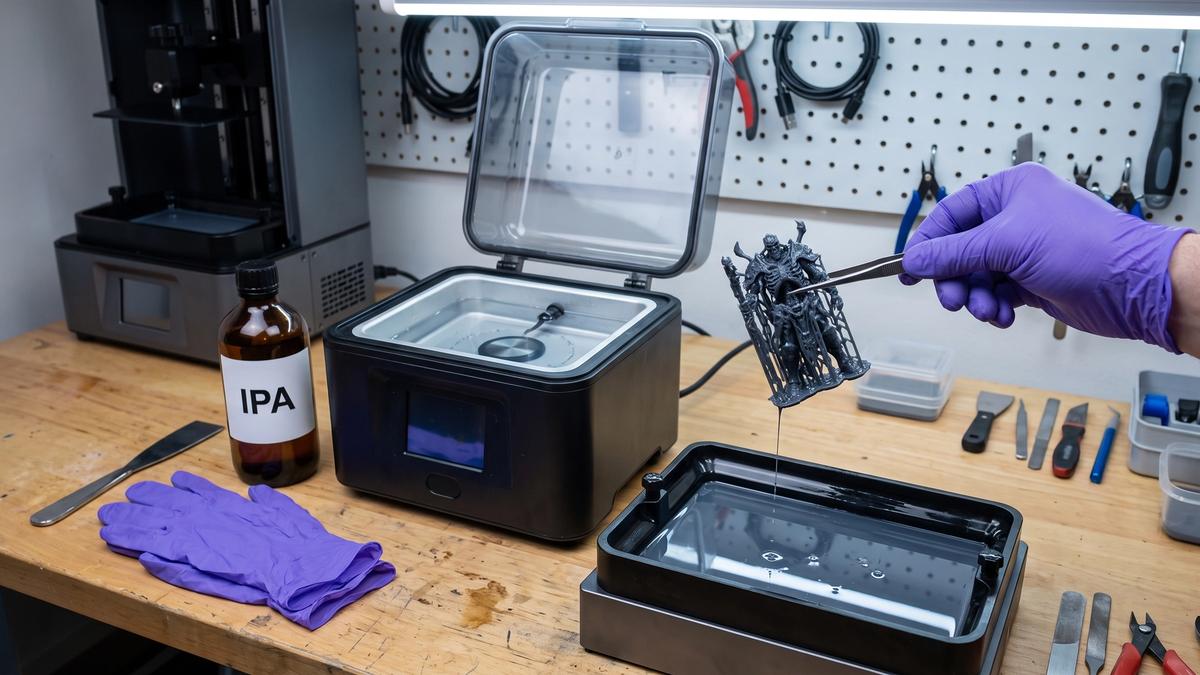
Setting up a resin printer requires treating your workspace like a small laboratory.
Gloves and chemical resistance
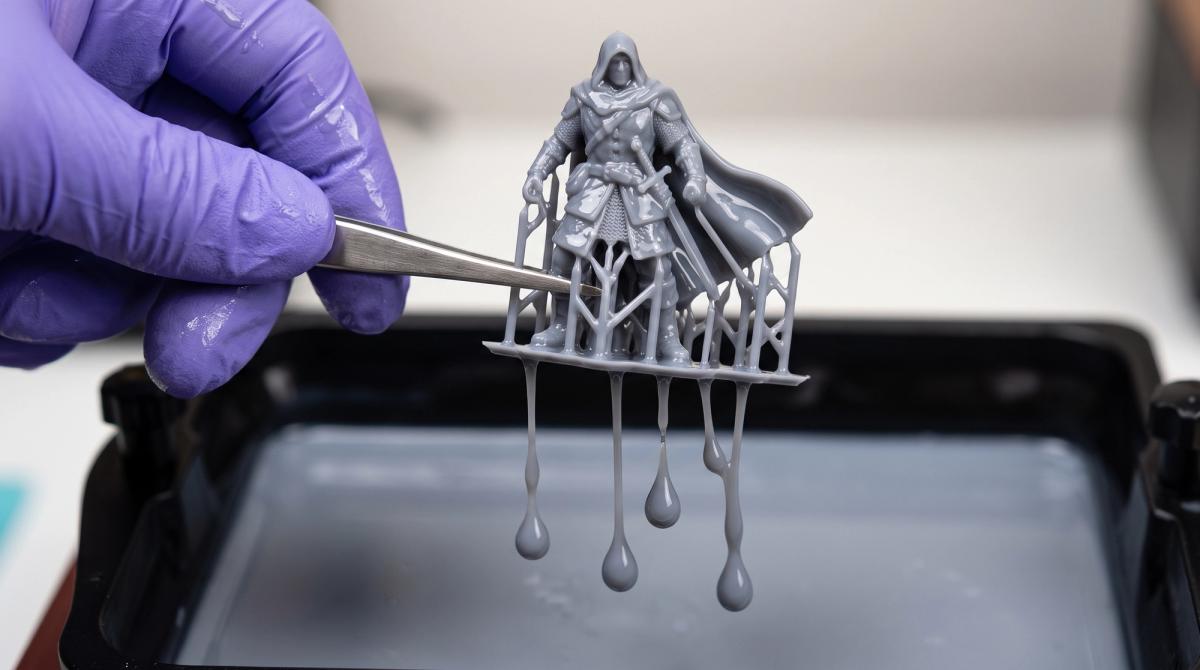
Latex gloves are not a reliable choice for handling uncured resin. Use chemical-resistant nitrile gloves and replace them immediately if they become contaminated or damaged. Sensitization can develop after repeated exposure, and once you become sensitized, even small amounts of resin may trigger a reaction.
Ventilation and respirators
Liquid photopolymer resins can release volatile organic compounds (VOCs) and other airborne chemicals. Always check your resin's Safety Data Sheet (SDS). An active exhaust system venting outside is highly recommended, and depending on your setup and resin type, a properly fitted respirator with organic vapor cartridges may be appropriate for some setups or tasks, depending on the resin's SDS and the level of exposure.
Consumables: the ongoing subscription
The printer price tag is just your entry fee.
Screens and films lifespan
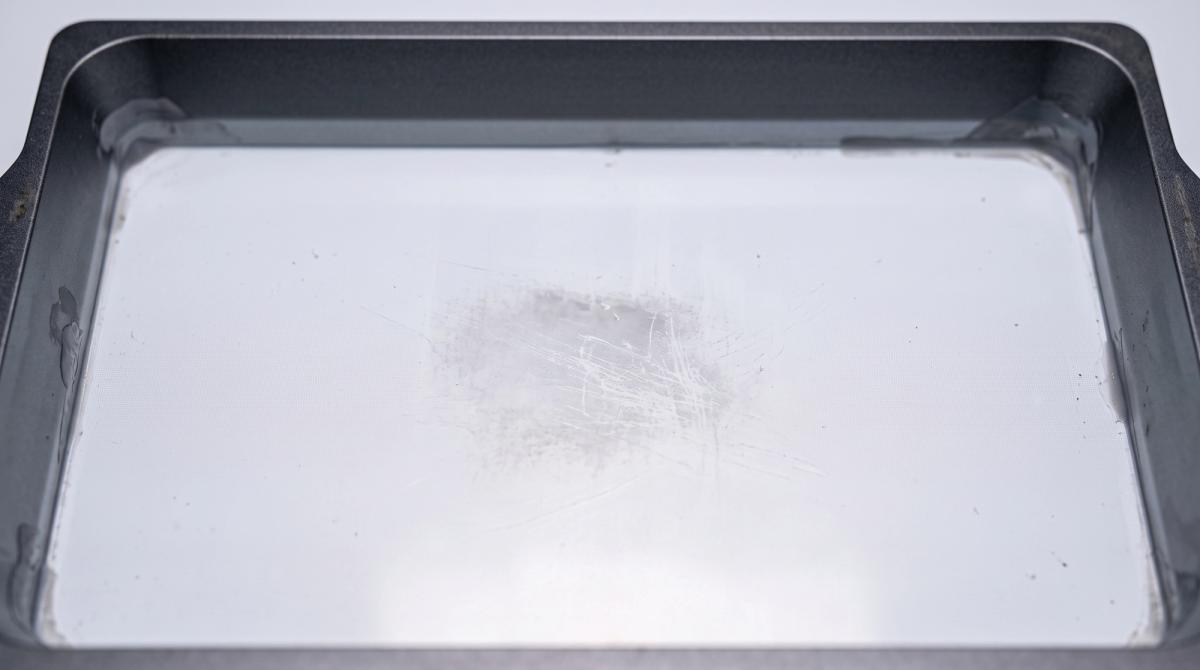
Monochrome LCDs have a finite service life, but the actual lifespan varies significantly by printer, exposure settings, and usage. The vat film is another running cost. High-quality PFA (nFEP) and modern ACF films can last for a long time under normal use, but they are still consumables and may need replacement much sooner if they are damaged. A failed miniature isn't just wasted resin. If a support breaks loose and gets cured against the film, the resulting fragment can damage the FEP on the very next layer.
Wash and cure stations and materials
A dedicated wash and cure station can significantly reduce mess and handling of uncured resin. For ongoing costs, budget roughly $15-30 per kg for standard resin, depending on the brand and local market, plus the cost of 99% isopropyl alcohol (IPA) for washing.
Step-by-step workflow for miniatures
Modern hardware and software require an updated approach.
Preparing and scaling files
When prepping tabletop figures, scale your bases properly (28mm or 32mm) before adding supports. For many tabletop miniatures, orienting the model at roughly 30-45 degrees can be a useful starting point to hide support marks on the back of the miniature and reduce the cross-sectional area pulling against the film.
Modern bed leveling
If your printer uses an automated leveling or zeroing system, the traditional paper-leveling procedure may not apply. Follow the manufacturer's automated zeroing process to avoid damaging your screen.
Slicing in Lychee
Start with a robust slicer like Lychee Slicer or Chitubox Pro for their modern auto-support algorithms and built-in island detectors. While UVtools is a phenomenal open-source utility for finding pixel-level suction cups, master your primary slicer first before diving into advanced third-party diagnostics.
Dialing in exposure settings
Keep your resin within the temperature range recommended by the manufacturer. For many standard resins, around 25-30°C provides good flow and consistent printing. Avoid using universal exposure settings found online. Instead, start with the resin manufacturer's recommended exposure range, then run a calibration test such as the XP2 Validation Matrix or Cones of Calibration to dial in the exact times for your specific machine and environment.
The print process: the "peel" sound
If you use standard FEP or PFA film, you might hear a distinct peel sound as the build plate lifts after a layer. The exact sound varies with the printer, resin, and release film, so don't use it as the only indication that a print is progressing correctly. With some modern ACF-based printers, the release can be much quieter, so don't panic if you don't hear the familiar peel sound.
Post-processing: washing, curing, and eco-disposal
This is where prints are saved or ruined.
How long to cure
Cure according to the resin manufacturer's recommendations. For many small miniatures, a few minutes is enough, but curing time depends heavily on the specific resin, model size, and the intensity of your curing station. Overcuring can cause standard resins to become yellowed, brittle, and prone to snapping.
Delayed cracking in hollow models
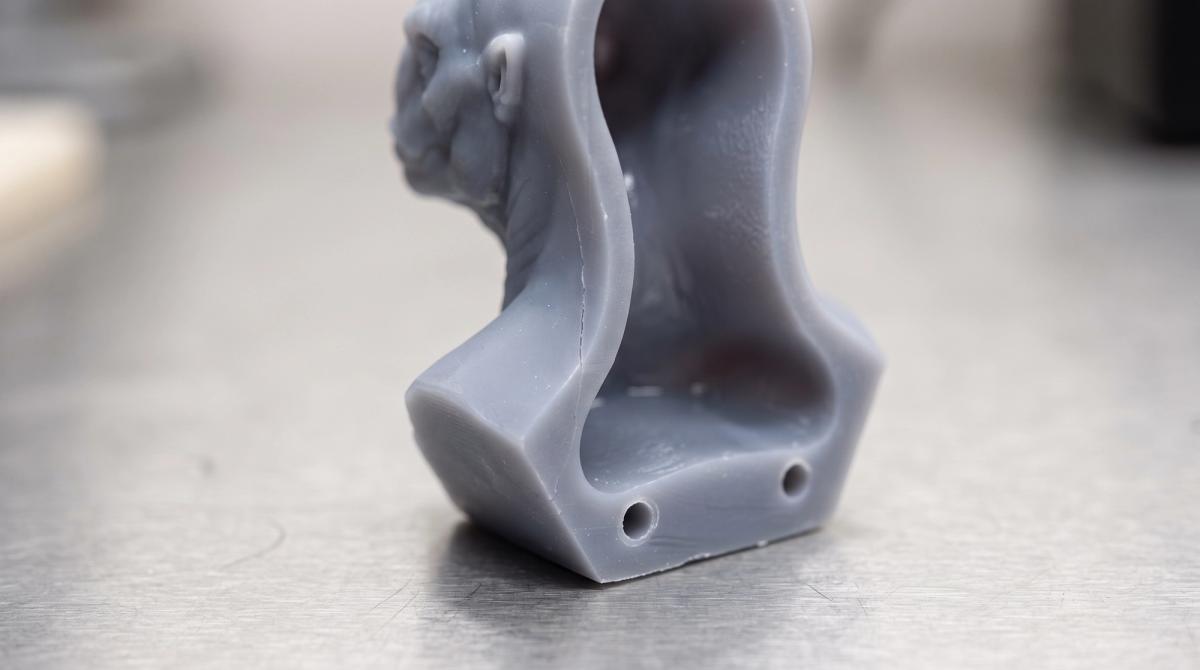
Large hollow models need adequately sized drain holes. The required diameter depends on the model, wall thickness, orientation, and printer, so follow your slicer's or printer manufacturer's recommendations. If trapped liquid resin, gases, and thermal or curing stresses remain inside, they can eventually cause the model to split open weeks later. Make sure the interior is thoroughly washed and cured as far as the geometry allows using an appropriate UV light source.
The water-washable myth and proper disposal
Many water-washable resins are hazardous to aquatic life in their uncured state. Never flush contaminated water or IPA down the drain. Contaminated wash water, dirty IPA, and solid resin waste require different handling. For dirty IPA, you can let the resin solids settle and expose the container to UV light until the sediment hardens, allowing you to filter and reuse the solvent. However, UV-curing contaminated liquid does not automatically make the remaining water or alcohol safe to pour down the sink. Always let solid resin sludge dry completely solid before throwing it in the trash, and follow your local regulations for disposing of liquid chemical waste.
Frequently asked questions
Can I run a resin 3D printer in my bedroom or apartment?
Running a resin printer in a bedroom is not recommended. Use a well-ventilated, appropriately isolated workspace and follow the resin manufacturer's SDS and safety instructions to maintain a safe environment.Are water-washable resins safer or non-toxic?
No. They are still toxic to you and the environment. The main practical benefit is avoiding the need for IPA during the initial washing stage, but the contaminated wash water must be collected and disposed of according to your local rules for chemical waste.Why did my hollow resin print crack after a few weeks?
Trapped liquid resin, gases, and thermal or curing stresses can eventually cause the model to split. You must add sufficient drain holes, flush the inside with a solvent, and cure the internal cavity.How often do I need to replace the vat film?
While modern PFA and ACF films can last for a long time under normal use, beginners often need to replace them within the first few dozen prints due to accidental damage, such as a broken support getting pressed into the film.Why do my printed miniatures feel brittle and snap easily?
Aside from the inherent properties of standard resin, overcuring can make parts extremely fragile. Running calibration tests and considering "Tough" or "ABS-like" resins can significantly improve the durability of tabletop pieces.
About the author
Written by
Ryan CarterI’m a 3D printing and miniature painting specialist with a background in digital modeling and tabletop gaming. I focus on 3D-printed miniatures, resin and FDM printing, model preparation, supports, priming, painting, and finishing techniques. I enjoy experimenting with different workflows and helping makers turn digital models into detailed, tabletop-ready miniatures.